Sharpen Life Skills with Smart Drills and Insightful Diagnostics

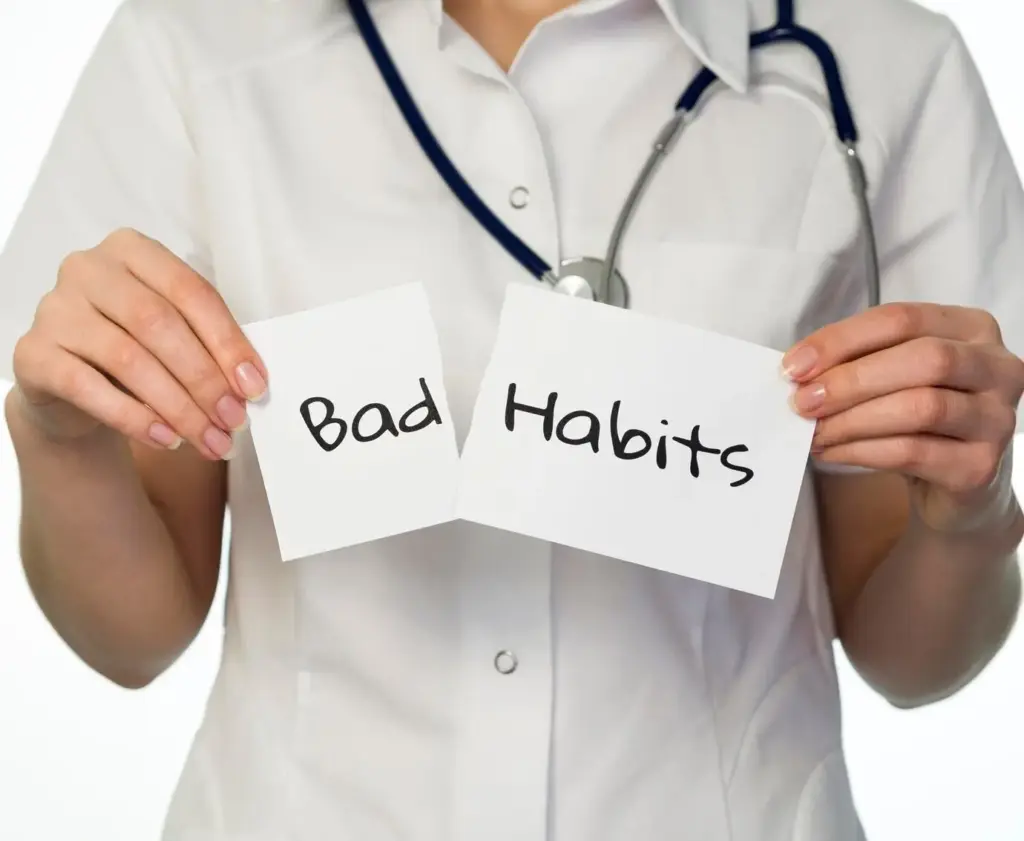
Today we focus on Drills and Diagnostics for Life Skills, bringing practical structure to growth that often feels vague. Expect hands-on exercises, clear checkpoints, and reflective prompts that help you notice change, not just hope for it. Join in, share your experiments, and invite a friend to practice together so every insight becomes action you can reliably repeat.

Micro-drills that build momentum

Five-minute drills reduce friction and make consistency possible, even on chaotic days. Choose one behavior, define a trigger, and practice it in a low-stakes context. The repetition creates automaticity, while small successes compound into confidence. Share your favorite micro-drill with our readers and inspire someone else to start small today.

Diagnostics that reveal blind spots

It is hard to improve what you cannot see. Simple diagnostics—like quick ratings after conversations, brief self-audits, or peer pulses—surface patterns you might overlook. Over time, these tiny snapshots reveal strengths, habits, and bottlenecks. Invite a trusted partner to compare observations, and turn insights into the next drill you will run consistently.

Feedback loops that stick

To make learning stick, pair every drill with a feedback loop that is timely, specific, and kind. Use short reflection prompts, behavioral indicators, and recorded examples to anchor reality. The loop should end with a concrete adjustment for tomorrow. Post your favorite prompt in the comments and help others refine their own routines.

Designing Drills That Actually Transfer

Drills should echo real life, not just look good on paper. Build tasks that resemble the messy, varied situations you face, then nudge difficulty upward. Blend context, constraints, and reflection so skills transfer beyond practice. When stakes rise, your mind recognizes patterns faster because it has already rehearsed what truly matters in context.

Diagnostics You Can Trust

Reliable diagnostics combine behavioral indicators, multiple observations, and clear definitions. When expectations are explicit, self-perception aligns with reality. Use rubrics, brief scenario trials, and anchored self-reports to triangulate growth. Remember, the goal is not perfection but clarity that guides the next sensible step. Treat measurements as conversation starters, not verdicts on your identity or potential.

SBI feedback in action

Use Situation-Behavior-Impact language to keep feedback specific and respectful. Describe the moment, the observable behavior, and its effect, then co-create a next step. This reduces defensiveness and clarifies choices. Try it after your next drill, capture one sentence that worked, and share it here so others can adapt the phrasing for their contexts.

Learning journals that matter

A simple journal multiplies the value of each drill. Note intention, conditions, result, and the single adjustment for tomorrow. Add a quick mood check to track energy patterns. Reread weekly for themes and wins. Invite a peer to react to one entry, and notice how an outside lens sharpens your own patterns and priorities.

Peer assessment done right

Peers can provide timely, low-cost, high-trust feedback when expectations are clear. Share rubrics beforehand, set time limits, and align on tone. Rotate roles to practice observation as a skill. Capture one insight per session and commit to a small change. Post an example of a helpful peer comment that sparked real improvement in practice.

Data, Dashboards, and Iteration

Data should simplify decisions, not overwhelm you. Choose a few meaningful metrics, visualize trends, and schedule review routines. When a line changes, ask why, then run a small experiment. Iteration beats intensity over time. Invite readers to co-create a simple dashboard template, compare approaches, and refine which indicators predict real-world results outside controlled practice.

Everyday Routines that Reinforce

Routines convert intentions into identity. By linking life skills to existing triggers—morning coffee, commute, or shutdown rituals—you reduce friction and preserve willpower for hard moments. Design reminders, checklists, and environmental cues, then protect recovery time. Share your favorite routine, tag someone to try it, and return next week with what changed and surprised you.

Real Stories and Challenges

Narratives make principles memorable. Here you will find brief, honest stories revealing how small drills and simple diagnostics change outcomes in real environments. Use them as prompts to try your own experiments. Comment with your version, ask questions, and invite the community to pressure-test your next step before you put it into the world.
Tokorefakokipano
Privacy Overview

This website uses cookies so that we can provide you with the best user experience possible. Cookie information is stored in your browser and performs functions such as recognising you when you return to our website and helping our team to understand which sections of the website you find most interesting and useful.