Ready for Work: Practical Checklists and Skill Audits for Young Adults
Today we focus on workplace readiness checklists and skill audits for young adults, turning uncertainty into a clear, confident path toward employment. Expect friendly guidance, honest stories, and step-by-step tools that help you map strengths, close gaps, and show employers your real value. Use the ideas here to assess readiness, track progress, and build habits that make first jobs, internships, and apprenticeships feel less scary and more achievable. Share your wins, ask questions, and download the exercises we reference so your next step is not just planned, but practiced.

Start Strong: Understanding Readiness and Audits

Before building forms or printing checklists, it helps to understand why readiness and auditing work so well for early careers. Clear criteria reduce guesswork, regular reviews create momentum, and honest reflection turns feedback into confidence. Consider the first internship: with expectations defined, young adults can focus on showing value rather than worrying about unknowns. This section demystifies what to measure, how to measure it fairly, and how to transform results into supportive actions that actually move you forward.

Checklist Scope: From Paperwork to Mindset
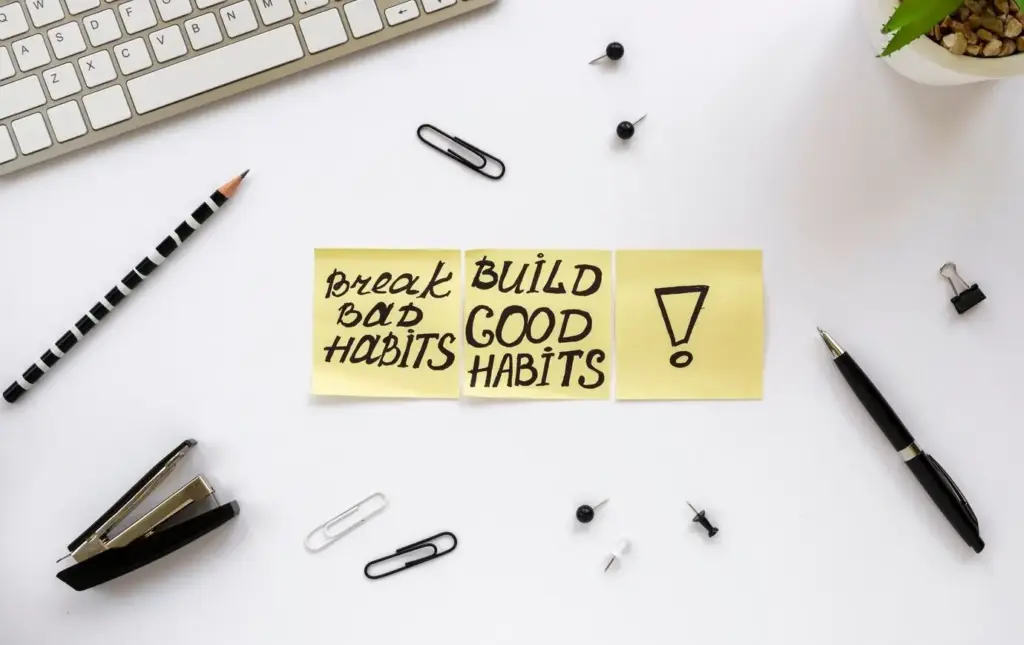
A powerful readiness checklist goes beyond resumes and identification documents to include punctuality, communication norms, professional boundaries, and growth mindset. It covers transport plans, time buffers for delays, email etiquette, and what to do when something goes wrong. It also encourages reflection on stress responses, personal accountability, and how to ask for help. When the scope includes both logistics and mindset, first-day nerves shrink, and your ability to adapt, recover, and contribute becomes visible to employers.

Audit Methods: Self, Peer, Mentor

Self-assessments build ownership, but pairing them with peer and mentor perspectives gives balance and clarity. You’ll see strengths you overlook and blind spots you could not discover alone. Use quick rating scales, comment prompts, and repeatable rubrics. Keep tone constructive and future-focused, not judgmental. When combined with short reflection notes, these viewpoints create a reliable snapshot of readiness, allowing you to choose targeted actions that improve faster than vague intentions ever could.

Designing Your Personal Readiness Checklist

One size rarely fits all. Your checklist should reflect the roles you want, the tools they require, and the environments where you’ll work. Start with essentials, then customize sections for soft skills, technical basics, and daily routines. Include clear examples so items are observable and measurable. Add due dates, proof of completion, and space for notes. When your checklist becomes a living document, you turn preparation into a series of achievable commitments rather than a vague wish list.

Documents and Logistics Prepared

Gather identification, banking details for payroll, references, and any certifications, then verify they are current. Plan your commute, including backups if a bus is late or a bike tire fails. Prepare professional email addresses and voicemail messages that sound reliable and clear. Test alarm routines, calendar reminders, and navigation apps. Build a buffer folder—digital or physical—for copies of critical forms. These practical steps protect you from avoidable stress and let your effort shine where it matters most.

Professional Presence and Communication

Presence starts before words. Practice greeting confidently, making eye contact, and using names correctly. Draft a concise introduction that explains your skills, current goals, and what you enjoy learning. Prepare one sentence for when you are unsure and need clarification. Review tone in emails and chats, particularly how to ask for deadlines or confirm understanding without sounding hesitant. With a few prepared phrases and habits, you create trust quickly and show you respect everyone’s time and attention.

Workday Routines and Time Blocks

Structure reduces stress. Block your day with startup, focus, communication, and wrap-up intervals. Begin by reviewing tasks, clarifying priorities, and confirming meetings. Use timers to protect deep work, then batch messages at scheduled times. Reserve a short reflection to capture lessons learned and prepare tomorrow’s first step. Include buffers for unexpected tasks and commuting delays. A steady routine turns readiness into momentum, making reliability visible to teammates who depend on your consistency and follow-through.

Soft Skills That Open Doors

Employers consistently cite communication, teamwork, and problem solving as decisive factors in early-career success. These skills can be practiced intentionally and documented through audits, showcasing growth over weeks, not vague claims. That matters when you lack long experience. We’ll share practical prompts, micro-behaviors, and quick reflections you can use during group work, meetings, and messages. With deliberate practice, your reliability, empathy, and clarity stand out—even before your résumé reaches the top of the pile.

Hard Skills and Digital Fluency

Even entry-level roles expect basic proficiency with documents, spreadsheets, presentations, email, calendars, and collaboration platforms. Skill audits help you pinpoint which buttons to master first and where deeper learning pays off. Rather than chasing every tool, focus on transferable capabilities—formatting data, visualizing trends, organizing files, and protecting privacy. This approach builds confidence quickly and prepares you to learn new systems without panic. Employers notice when fundamentals are strong, because everything else becomes teachable.

Baseline Tools: Docs, Sheets, Email

Start with formatting, version control, and clean naming conventions. Practice converting notes into action items and turning raw numbers into simple tables or charts. Use filters, basic formulas, and conditional formatting to clarify insights. In email, craft succinct subject lines and specific asks. Link to shared files with proper permissions. Record completion evidence in your audit—screenshots, sample files, and a short reflection on what felt easier after practice. These fundamentals elevate your professional output immediately.

Security Hygiene and Data Care

Protecting information is everyone’s job. Enable multi-factor authentication, learn password managers, and separate personal from work accounts. Store files in approved locations and understand who can view, comment, or edit. Be cautious with links, attachments, and public Wi‑Fi. When unsure, ask before sharing. Include a short security checklist in your routine and document near misses so lessons stick. Employers appreciate candidates who prevent small mistakes from becoming expensive incidents by practicing thoughtful, everyday data care.

Practice and Feedback Loops

Preparation sticks when paired with practice. Simulations, role plays, and micro-internships let you test behaviors in safe settings, then revise based on feedback. Short, repeatable cycles outperform long, perfect plans. This section offers scripts, checklists, and evidence ideas you can add to a portfolio. We will nudge you to schedule regular check-ins, celebrate progress, and document changes. With steady loops, confidence grows naturally because you witness your skills strengthening in real, observable ways.

Mock Interviews and Role Plays

Create scenarios that mirror real openings. Practice telling concise stories using situation, task, action, result. Ask a friend or mentor to challenge you with follow-up questions. Record sessions, review body language, and adjust your phrasing for clarity. Add a rubric to your audit: energy, structure, examples, and closing questions. After three rounds, compare scores and reflections. You’ll see concrete improvement, which translates into calmer nerves and sharper answers when facing actual interviewers.

Portfolio and Evidence Collection

Portfolios are not just for designers. Capture meeting notes that sparked decisions, sample spreadsheets, before-and-after documents, or screenshots of organized workspaces. Add brief captions explaining context and outcomes. Align items with checklist points so each artifact proves a capability. Keep versions dated to show progress. During hiring conversations, these curated examples become persuasive proof that you execute reliably, learn quickly, and communicate outcomes clearly—qualities hiring managers value even more than polished buzzwords or generic promises.

Mentor Check-ins and Iteration

Schedule short, regular conversations with someone who understands your goals. Share your latest audit scores, ask for one actionable suggestion, and commit to trying it before the next check-in. Keep notes on what you tested and what changed. Treat feedback as a hypothesis, not a demand. This rhythm turns improvement into a habit while building supportive relationships. Over weeks, small adjustments compound into readiness that feels earned, visible, and resilient across different roles and environments.

From Findings to Actionable Plan
An audit matters only if it leads to action. Translate insights into a simple roadmap with timelines, resources, and measurable outcomes. Use short sprints to test behaviors and confirm what works for you. Align goals with realistic schedules, including rest. Share your plan with someone who will kindly hold you accountable. Post small progress updates to maintain momentum and invite encouragement. When your plan is visible and supported, readiness becomes a steady practice rather than a stressful scramble.
Tokorefakokipano
Privacy Overview

This website uses cookies so that we can provide you with the best user experience possible. Cookie information is stored in your browser and performs functions such as recognising you when you return to our website and helping our team to understand which sections of the website you find most interesting and useful.